Luxury Armored Entrance Doors — Bespoke Security Manufacturing

Craftsmanship Redefined
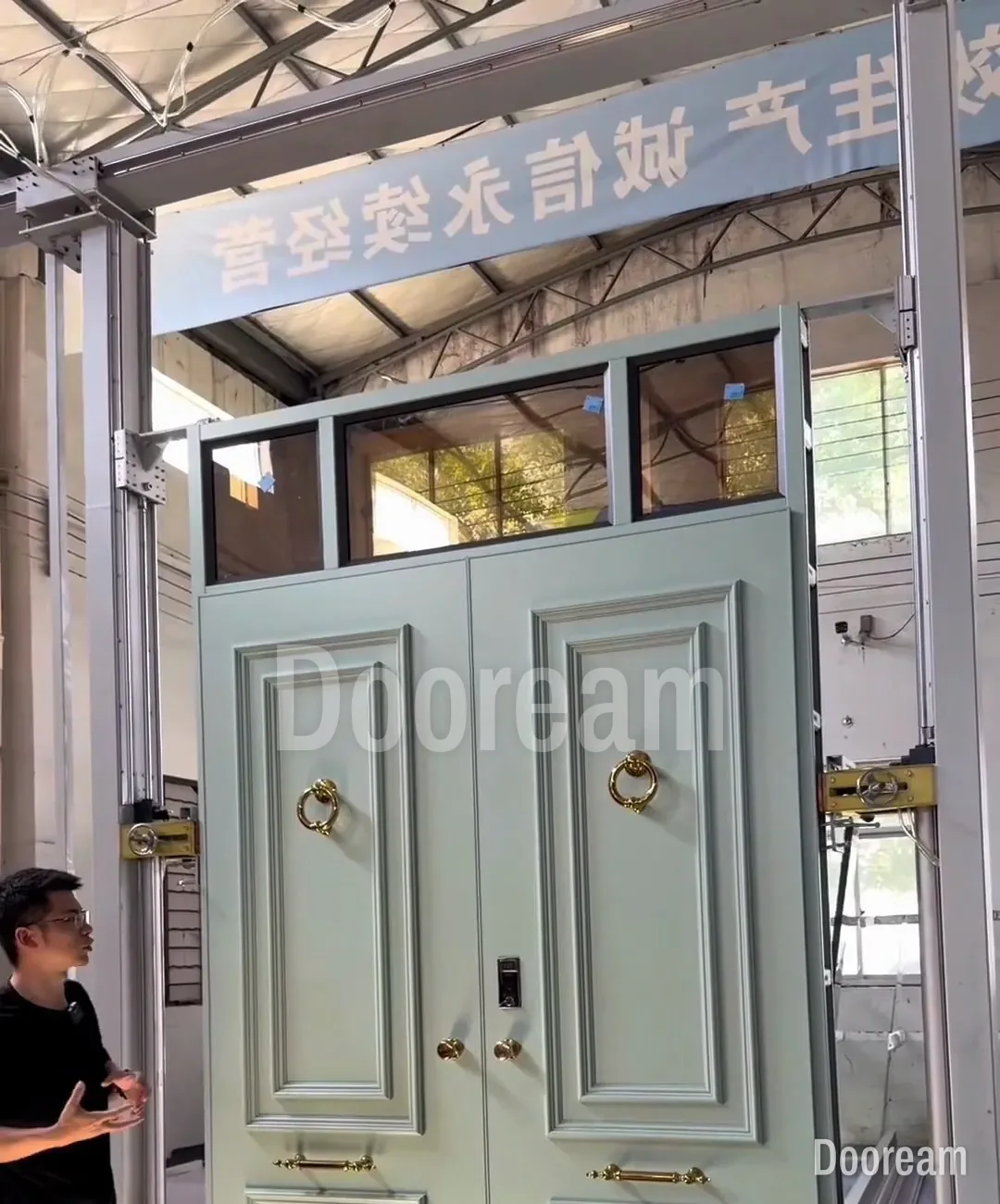
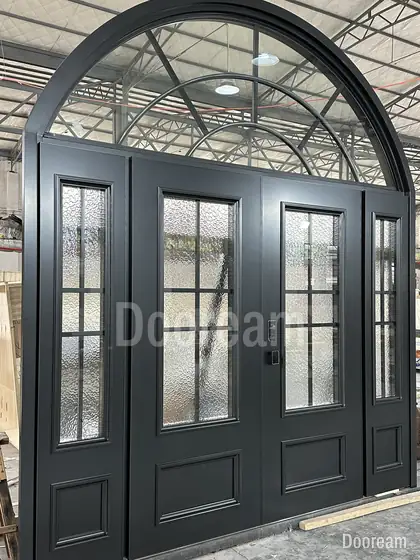
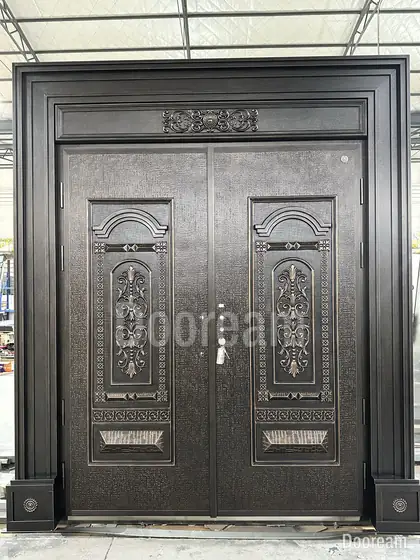
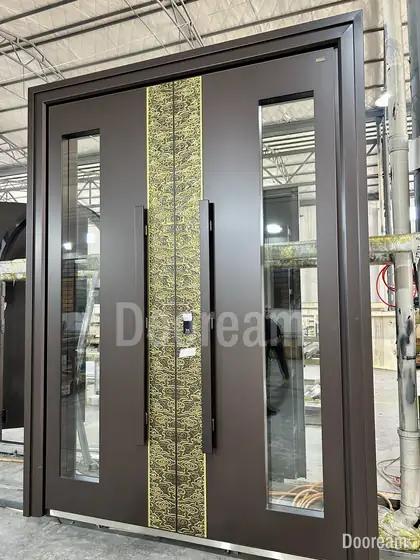
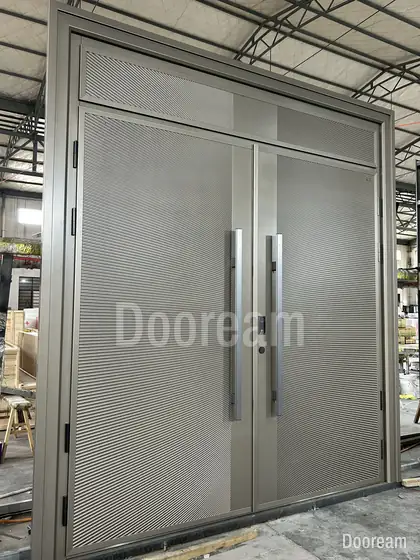
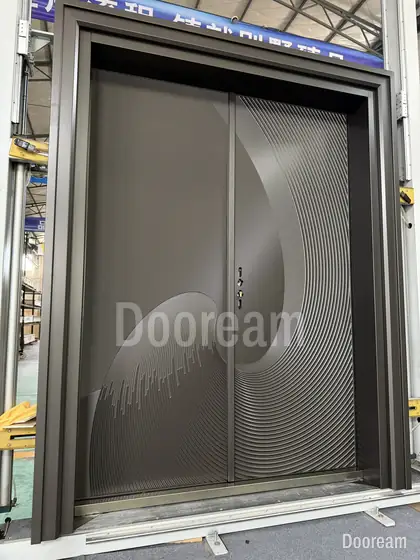
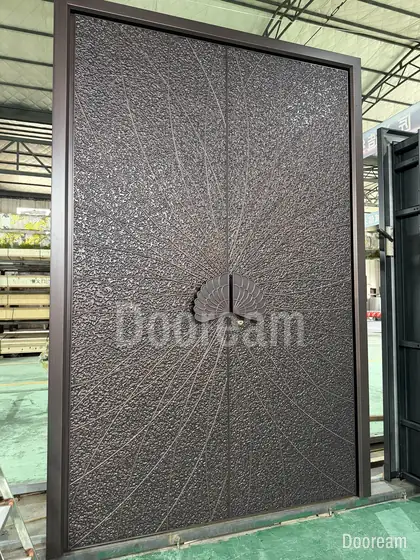
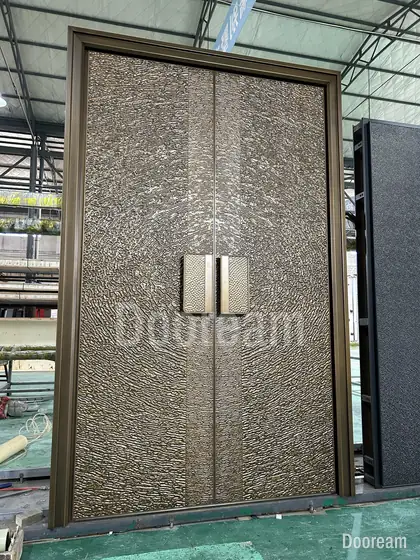
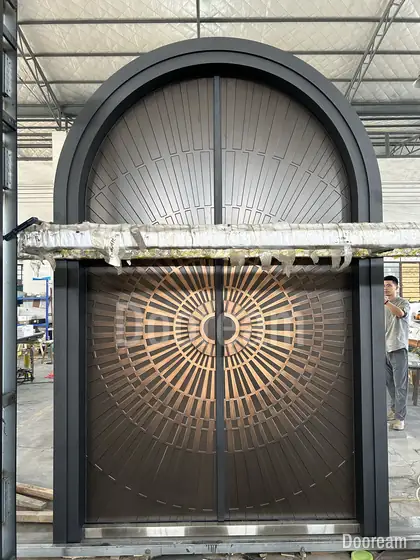
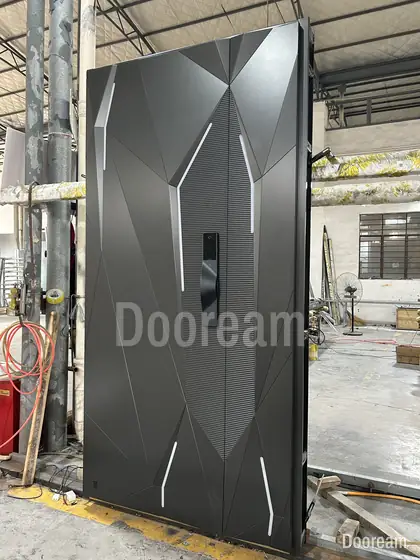
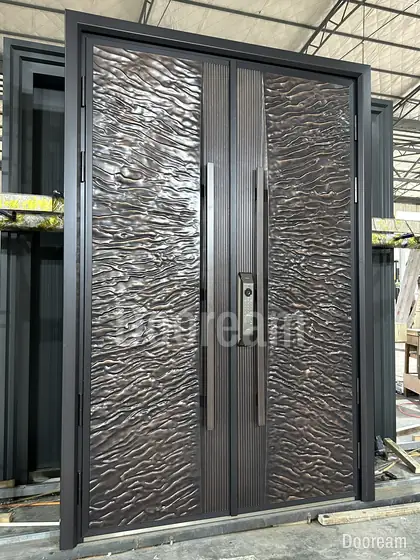
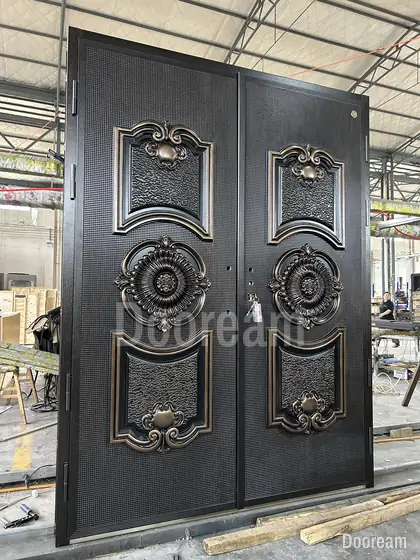
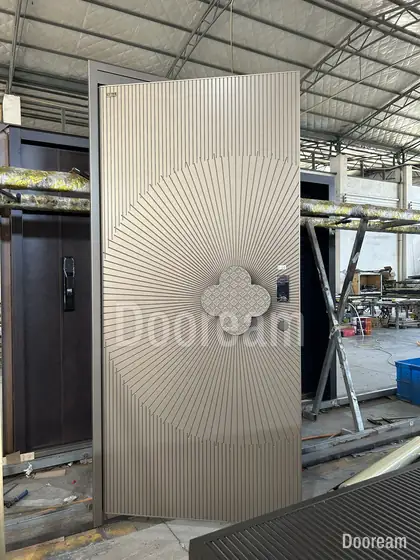
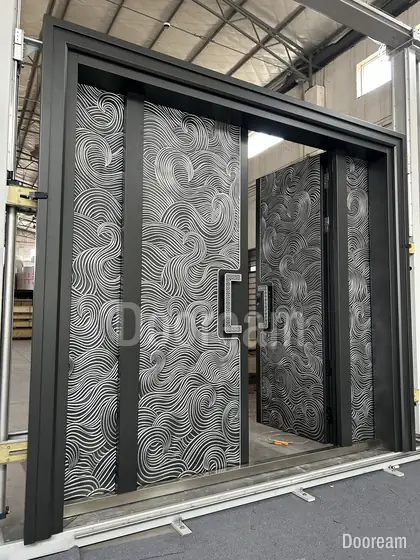
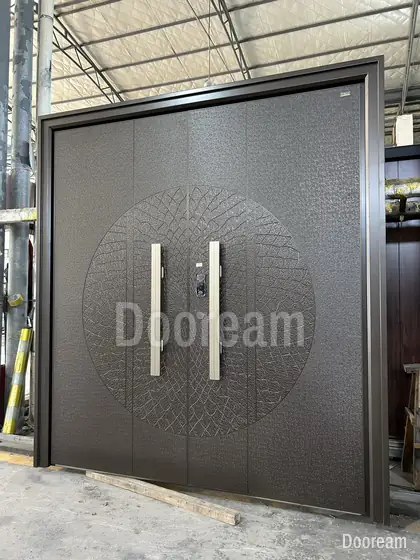
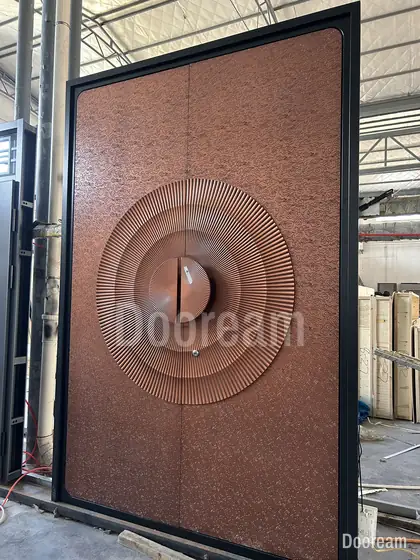
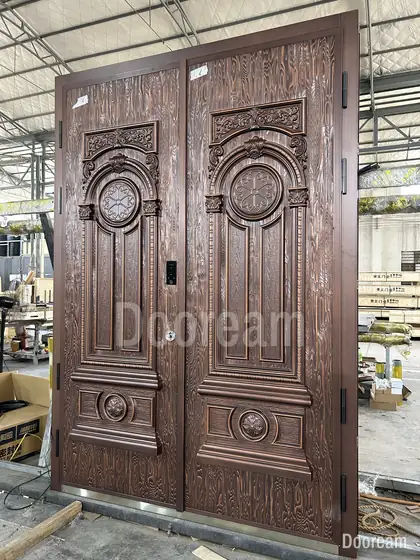
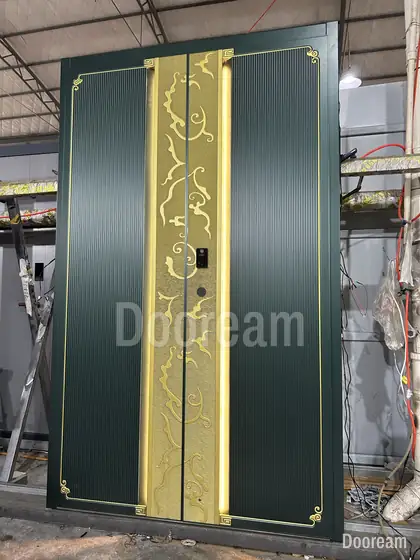
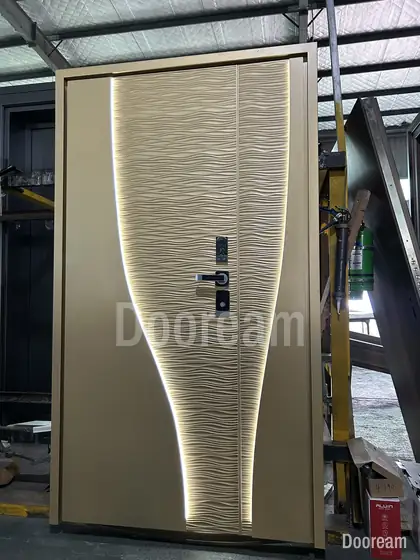
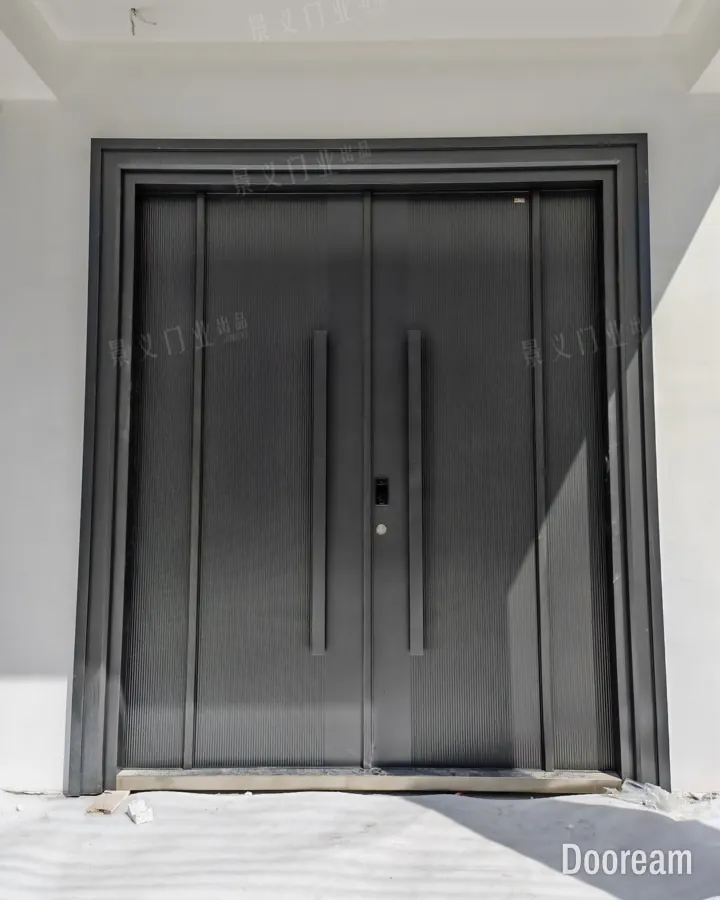
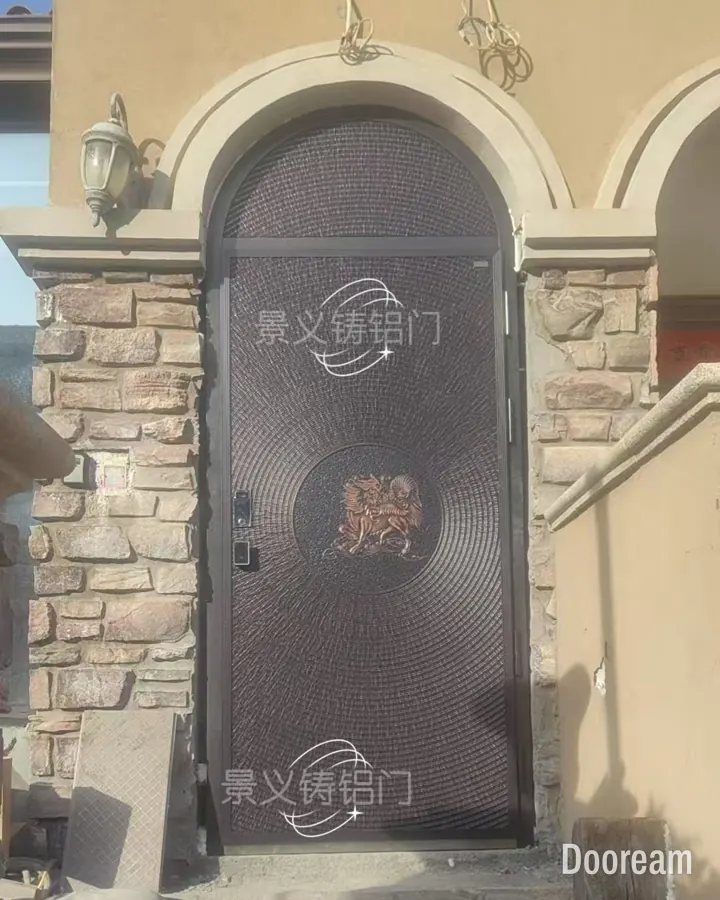
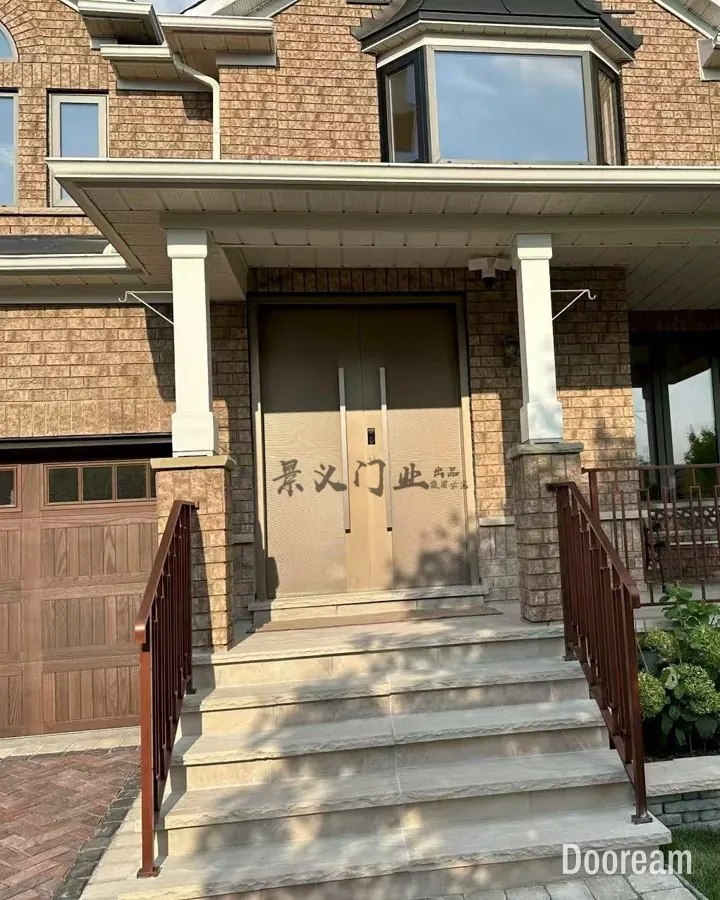
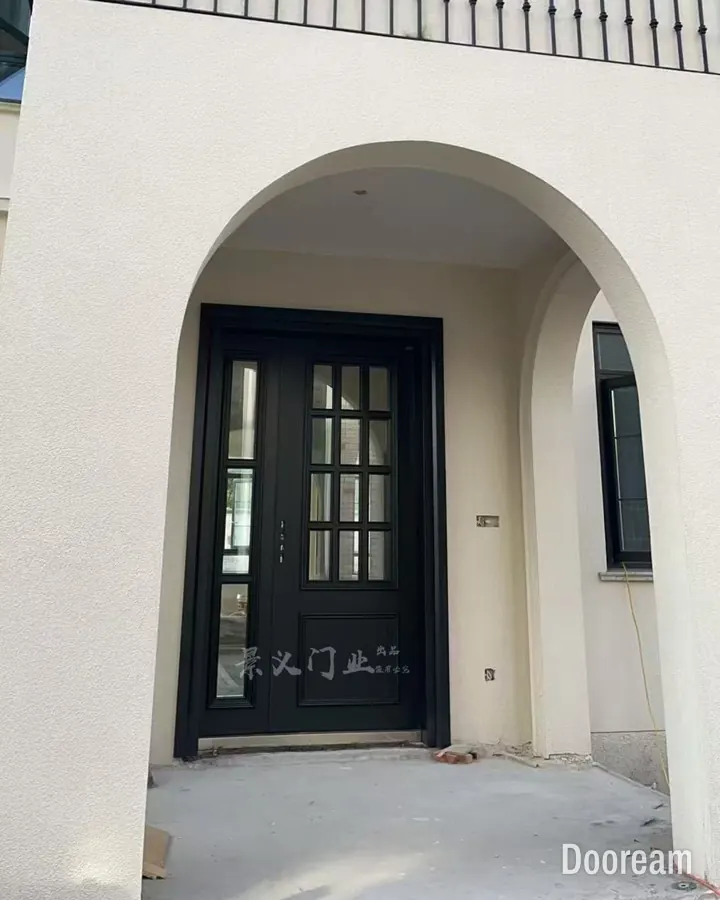
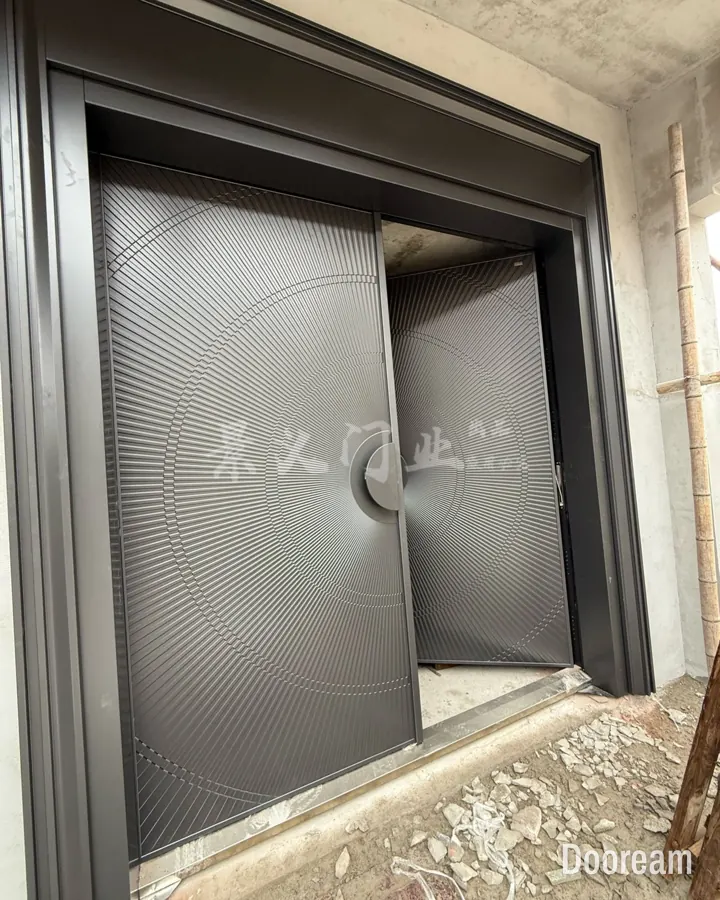
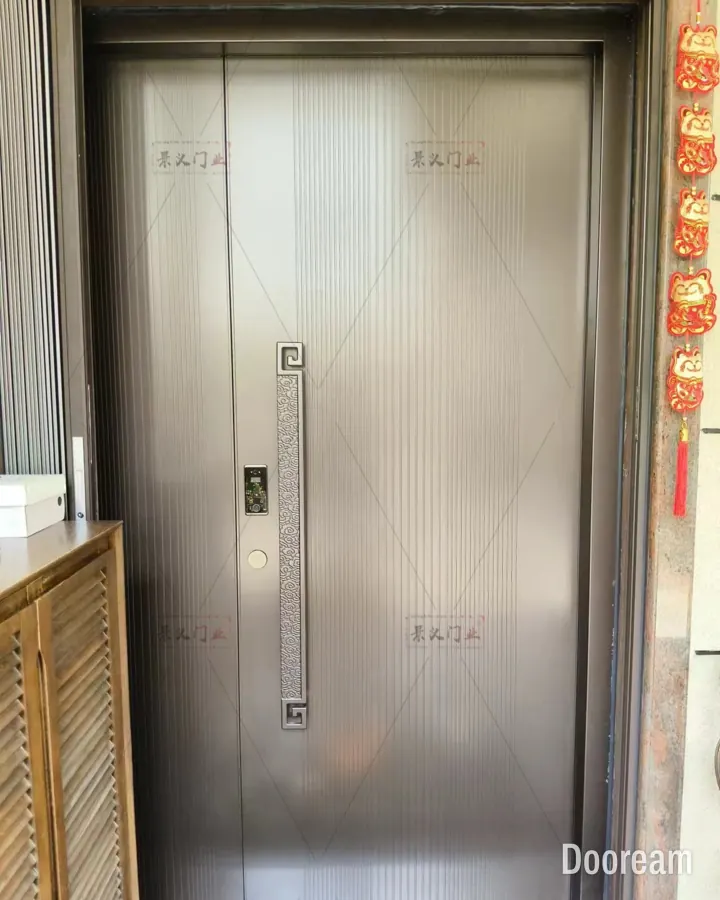
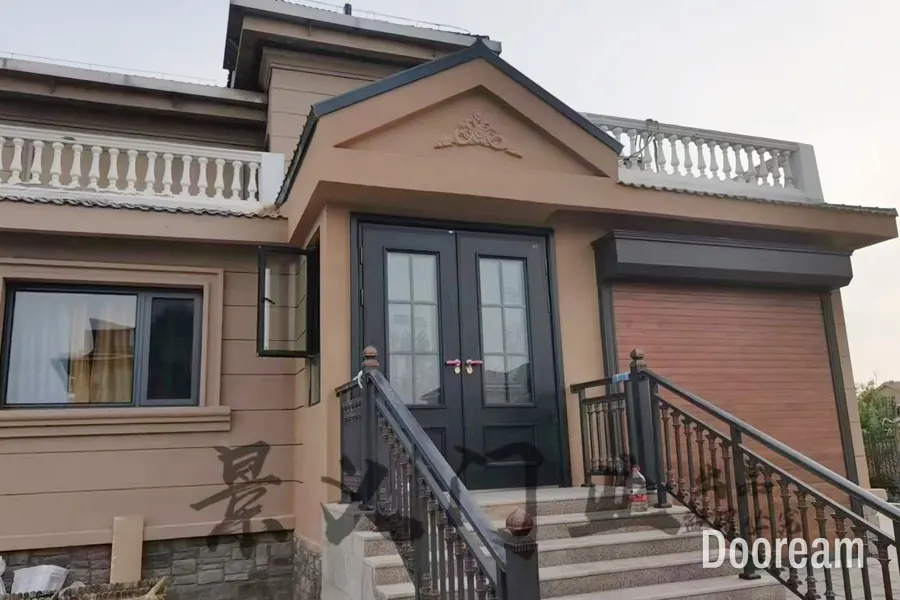
Dooream develops design-led custom entrance doors around architectural drawings, opening information, facade relationships and finish direction.
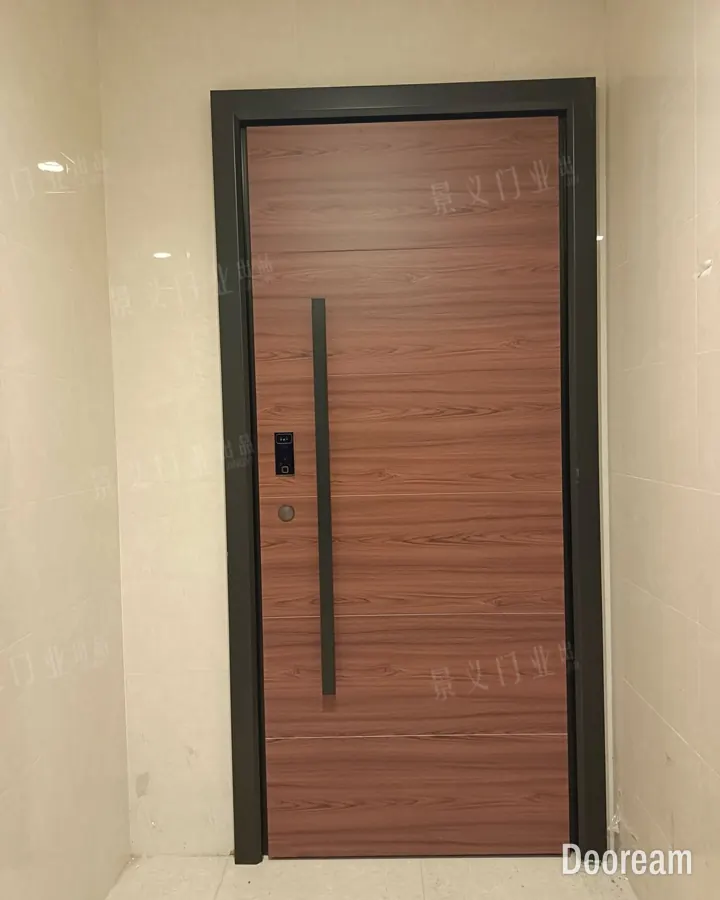
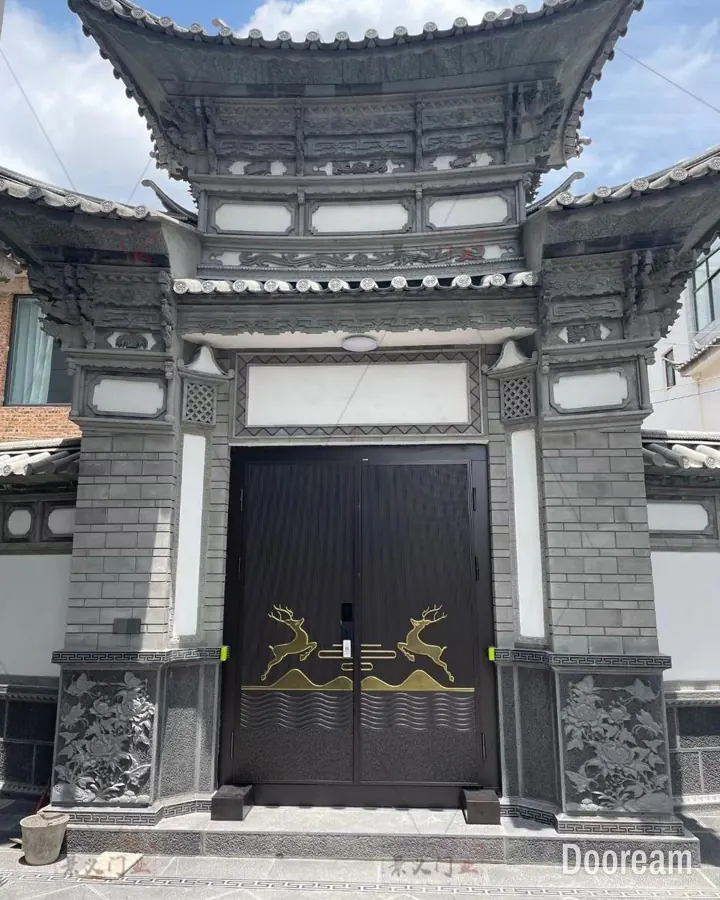
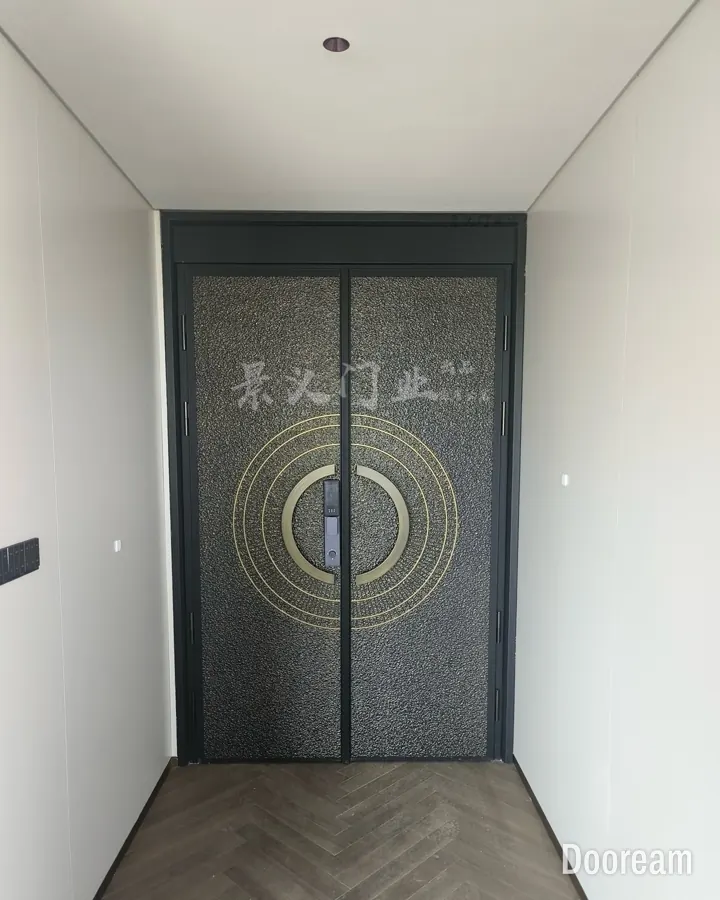
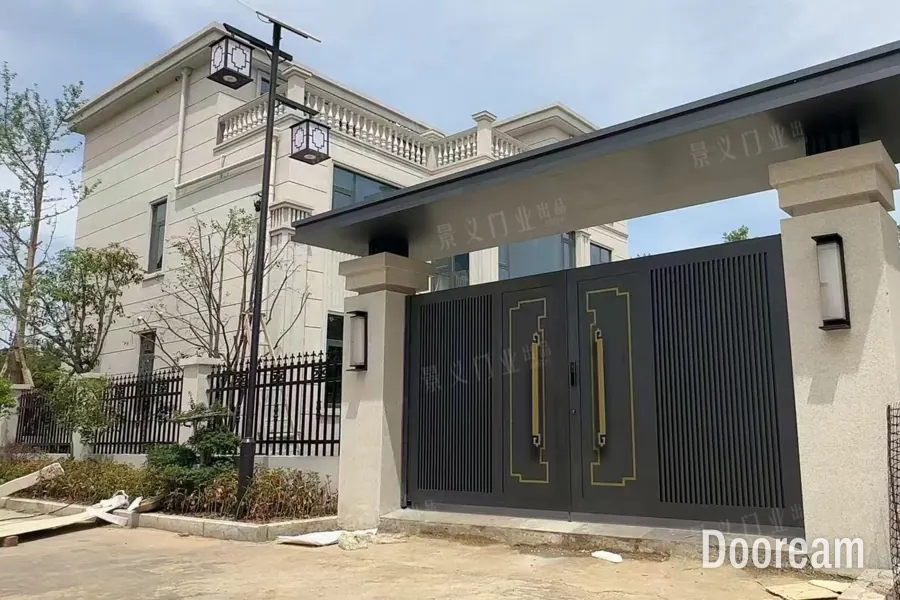
Custom pivot, villa and reinforced entrance-door directions are reviewed for professional overseas projects using project-specific information.
DESIGNED AROUND THE ENTRANCE.
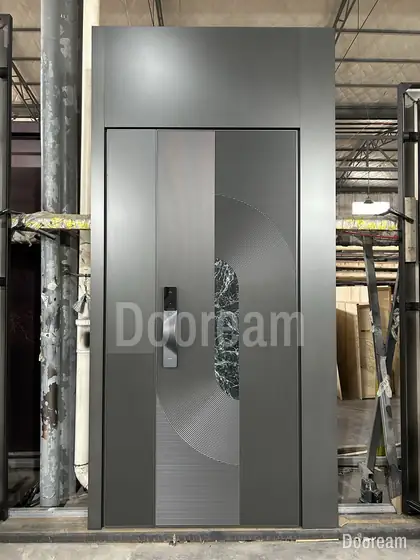
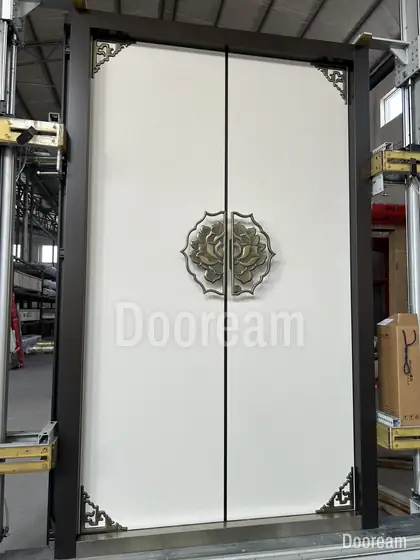
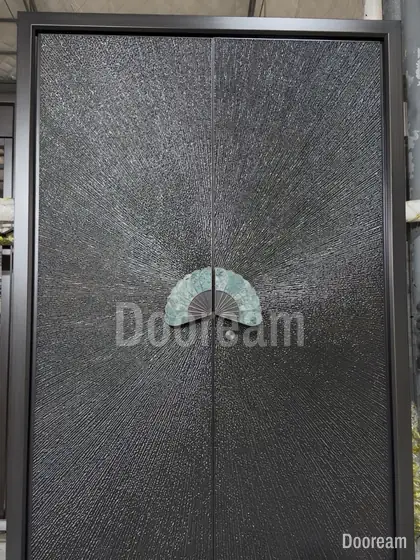
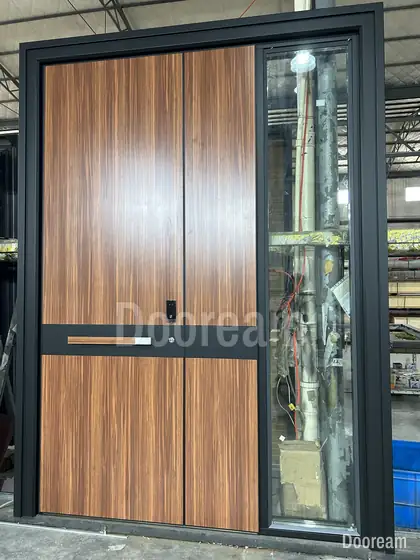
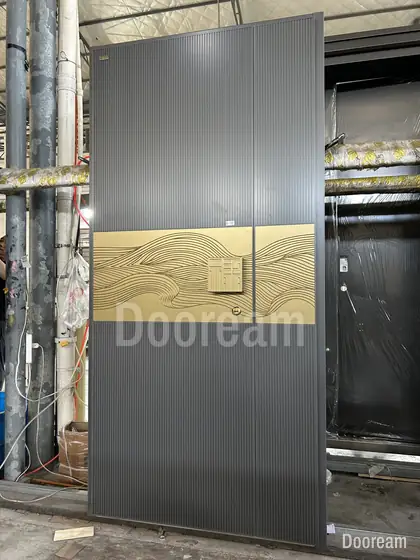
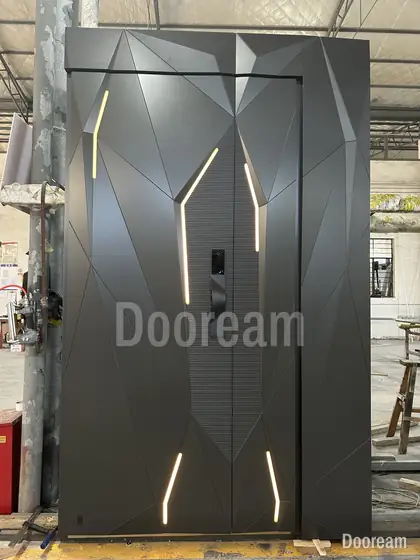
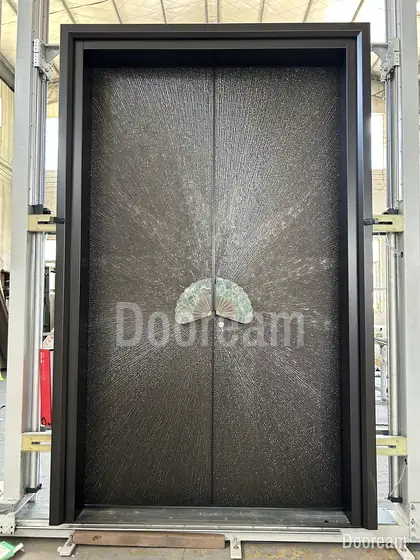
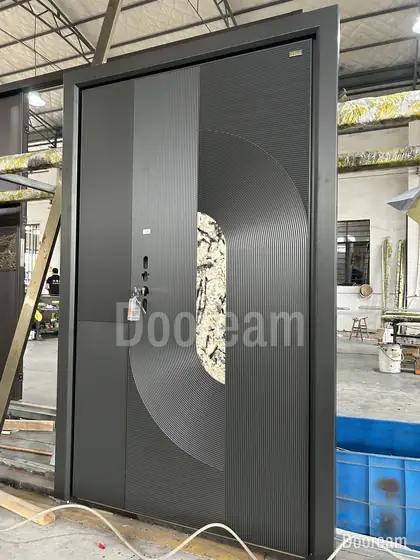
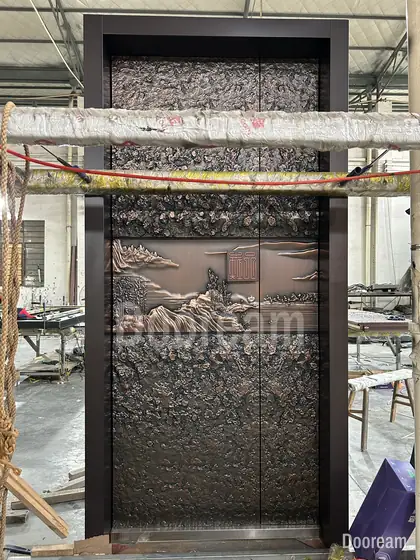
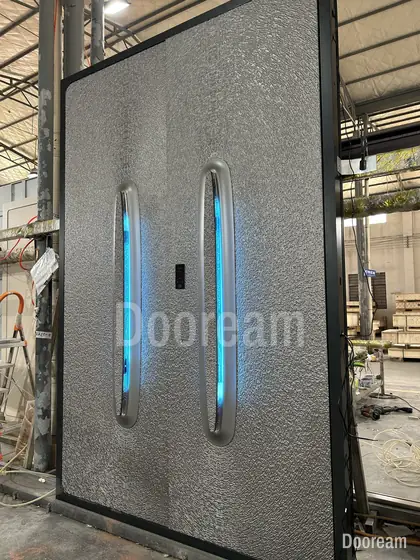
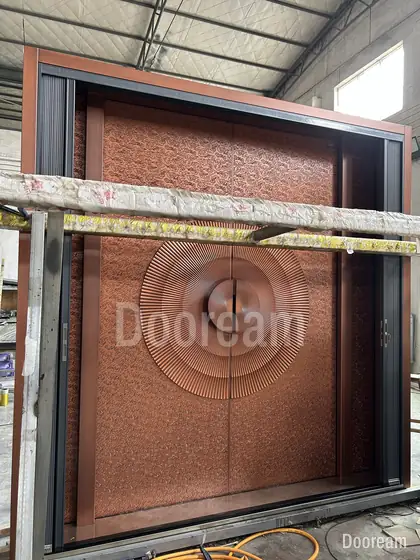
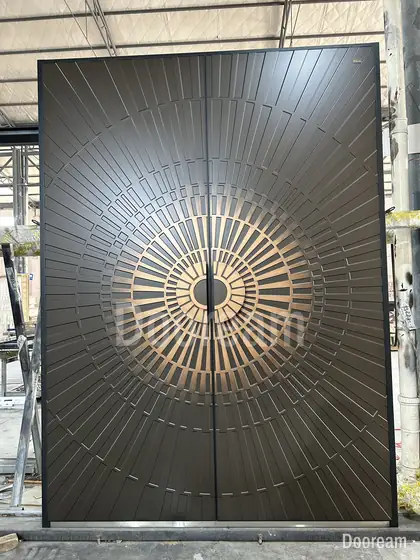
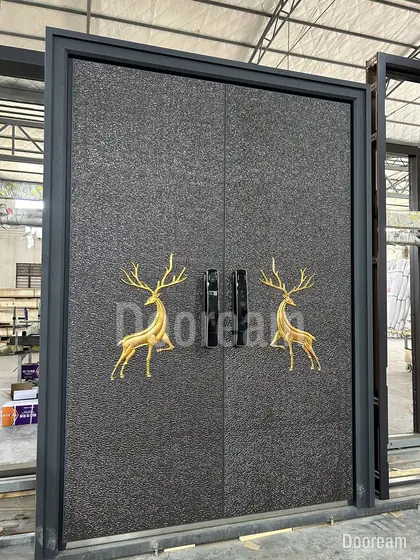
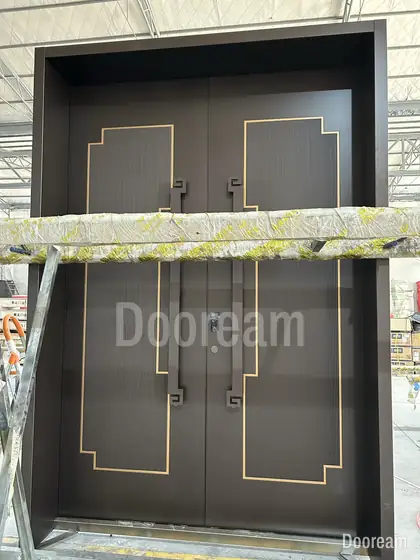
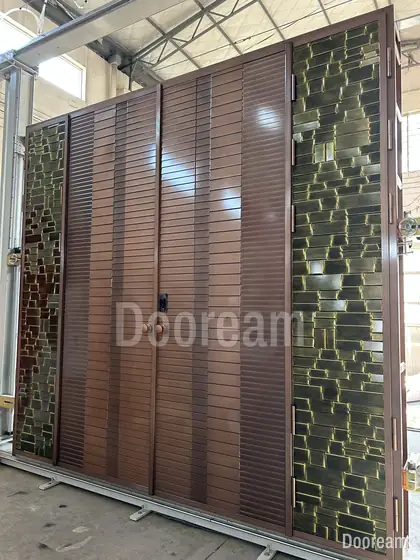
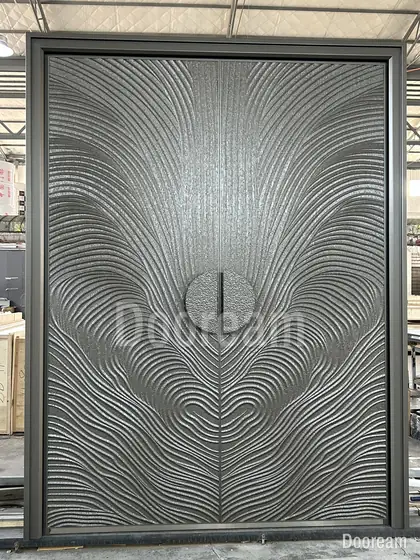
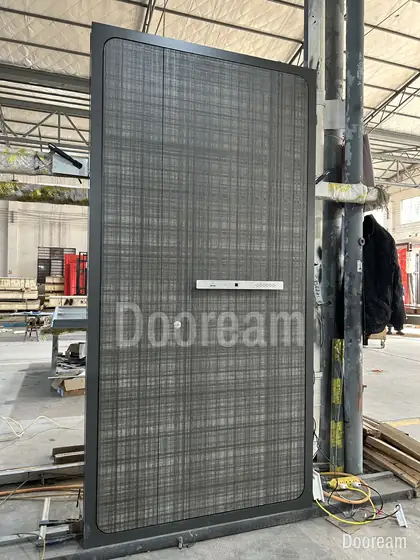
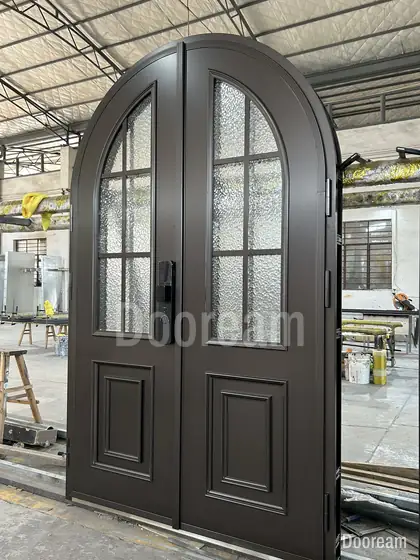
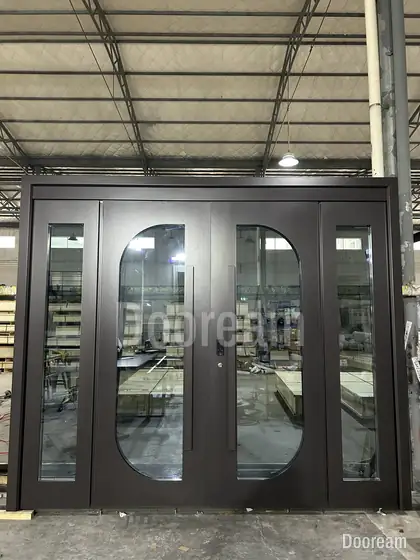
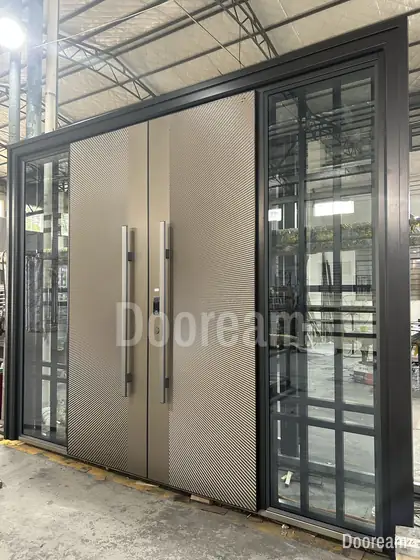
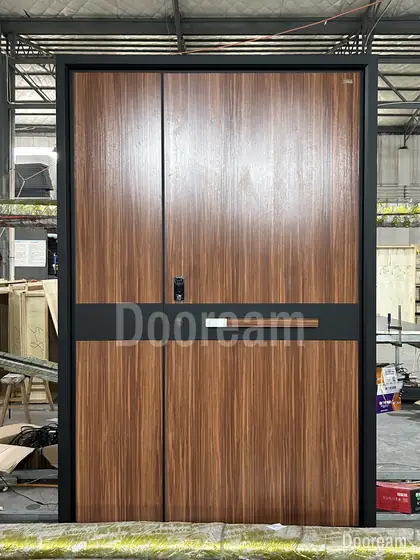
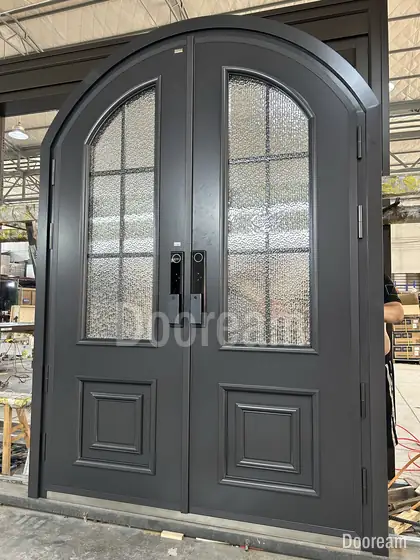
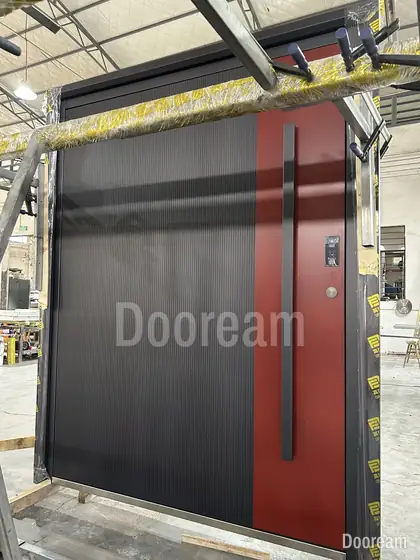
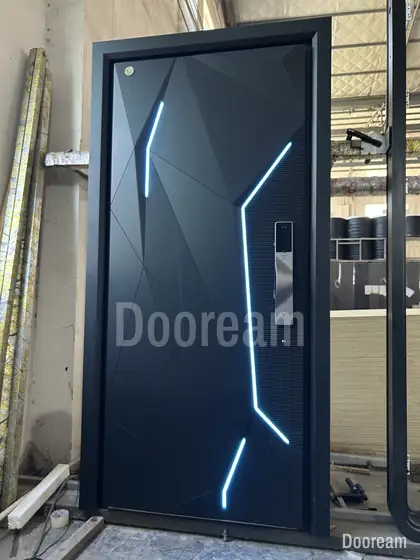
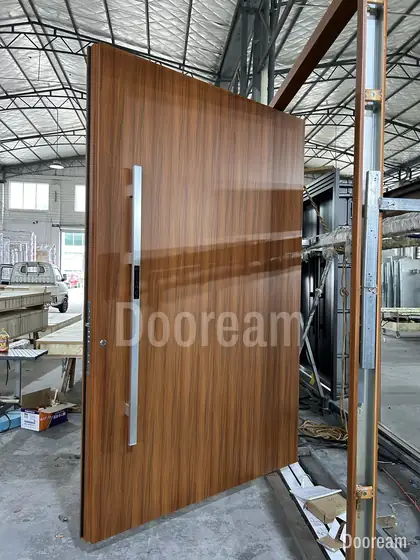
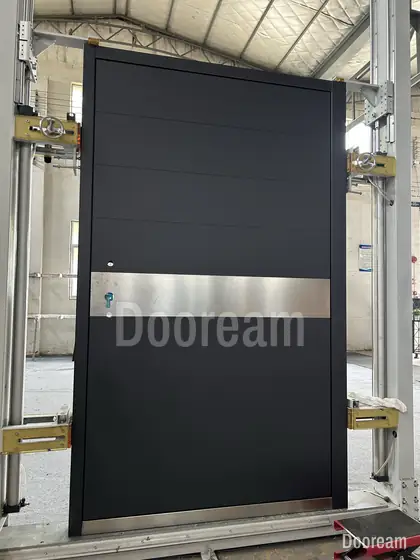
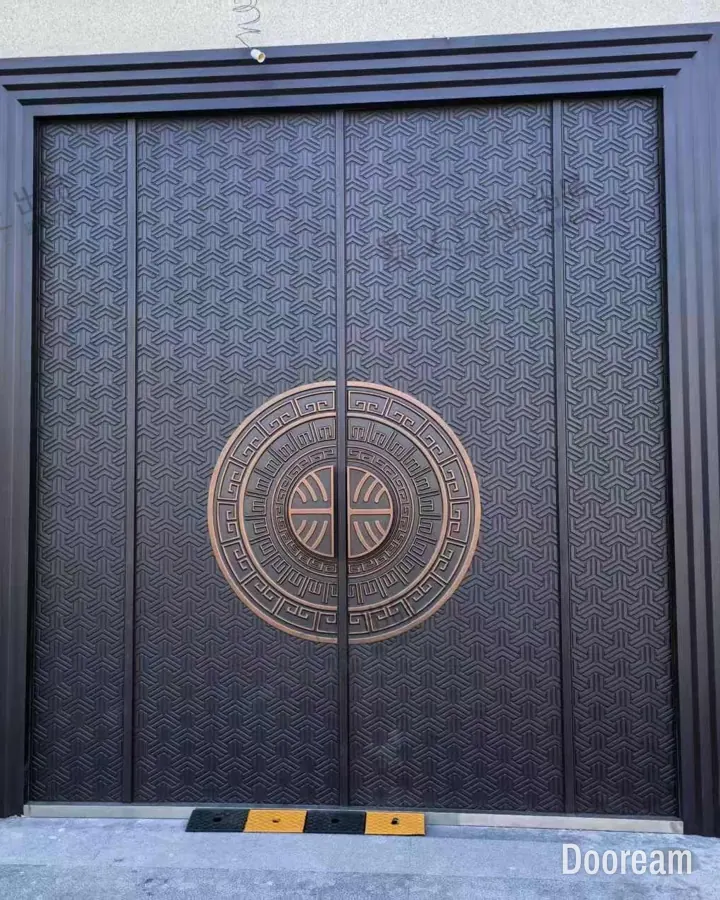
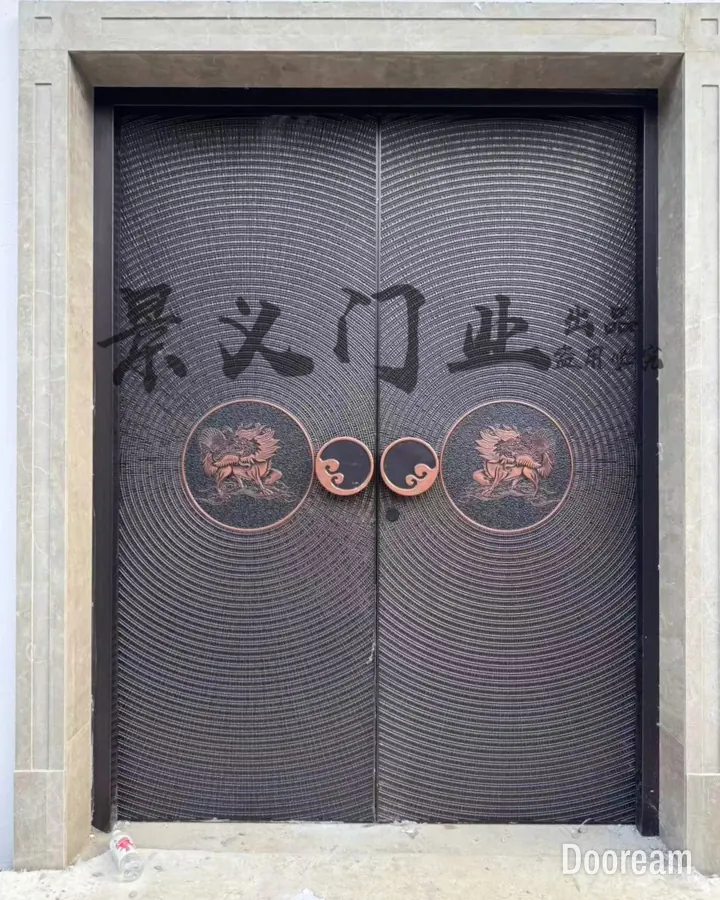
CUSTOM ENTRANCE DIRECTIONS
Explore pivot, villa and premium-finish entrance directions for drawing-based project discussion.
- Dimensions and structure reviewed by project
- Project-specific configuration review
- Security requirements reviewed by project
- Finish direction reviewed with project references
- Dimensions and structure reviewed by project
- Evidence requirements reviewed before quotation
- Custom entrance-door specification discussion
- Hardware direction reviewed with project drawings
- Dimensions and structure reviewed by project
- Performance evidence reviewed before quotation
- Security requirements defined by project
- Hardware direction reviewed with project drawings
Impenetrable Innovation
Review entrance configuration, finish direction, hardware requirements and evidence needs against the actual project documents.
Multi-Point Locking
Multi-point hardware and reinforced entrance directions are discussed only against the actual project specification and available evidence.
Performance Metrics
Technical Specifications
- Hardware configuration reviewed with the project team
- Cylinder and lock requirements reviewed by project
- Locking requirements coordinated by project
PROJECT PARTNER DISCUSSION
Partner with Dooream to review custom entrance drawings, finish directions and project quotation requirements.
Consult with Our Experts
“Design the entrance around the architecture, opening and project requirements.”
Architects, developers, contractors, dealers and importers can share drawings, opening information, quantities and finish references for project review. Performance, delivery and installation requirements are confirmed only in project documents.
Company
Resources
Send project drawings and opening information for a custom entrance door quotation discussion.
© 2026 Dooream Luxury Manufacturing. All rights reserved.
Engineered for Architectural Prestige
Frequently Asked Questions
Security Standards
- Question: How is a reinforced entrance direction reviewed?
- Answer: RC (Resistance Class) defines the burglar resistance level. RC3 doors resist basic tools like crowbars. RC4 can withstand experienced attackers using heavy-duty drills. RC5 is the highest residential standard, designed to resist advanced power tools for an extended period.
Material Comparison
- Question: Why choose a Cast Aluminum Door over a standard steel door?
- Answer: Cast Aluminum Doors offer superior corrosion resistance, especially in coastal or humid environments. Unlike steel, solid cast aluminum panels (typically 8mm-12mm thick) do not rust and provide a much higher level of structural impact resistance and aesthetic luxury.
Fire Safety
- Question: How are regulated performance requirements handled?
- Answer: EI90 indicates that the door provides 90 minutes of both Integrity (E)—preventing flames/gases from passing—and Insulation (I)—blocking heat transfer—during a fire, ensuring maximum safety for high-end residential projects.
Weather Resistance
- Question: Are armored doors weather-resistant for extreme outdoor installation?
- Answer: Weather exposure, finish and sealing requirements are reviewed for the actual project location and opening conditions.
Energy Efficiency
- Question: What is the U-Value of a high-performance armored door?
- Answer: A high-quality armored door should have a U-Value (thermal transmittance) below 1.2 W/m²K. Our doors utilize multi-layer insulation and precision sealing to minimize heat loss and maximize energy efficiency.
Smart Home Integration
- Question: Can these high-security doors be integrated with smart home systems?
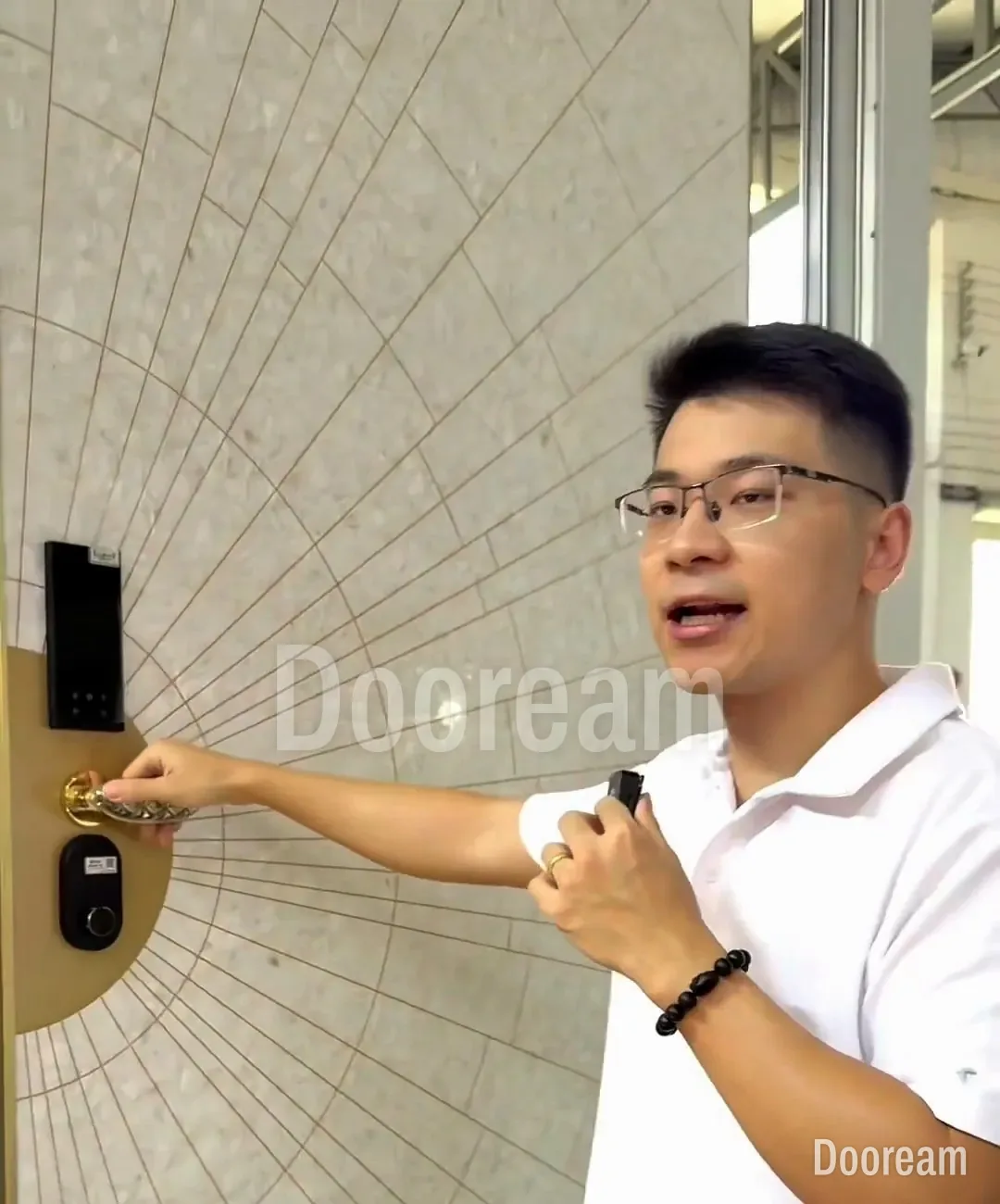
- Answer: Absolutely. Modern armored doors support seamless integration with biometric systems (fingerprint/face ID), hidden electronic locks, and smart intercoms, allowing for secure remote access control via mobile apps.